How SEO Drives Real Results for Your Online Presence
When I started working with small business owners on their digital strategies, the first question I always got was: "How do I get more people to find my website?" The answer, more often than not, came down to one thing: SEO. Not as a magic trick, but as a steady, methodical approach to making your site visible to the people who are already looking for what you offer.
SEO stands for search engine optimization, but in practice it is much more than a set of technical tweaks. It is the bridge between your content and the questions your audience types into a search engine. Over the years, I have seen businesses invest heavily in flashy design or expensive ad campaigns, only to wonder why their website traffic remained flat. The missing piece was almost never the product or the brand. It was the invisible work of aligning a site with how Google and other search engines decide what to rank.
Start With What People Actually Search For
Keyword research is the foundation of any solid SEO strategy. Without it, you are essentially guessing what your customers care about. I remember working with a local bakery that wanted to rank for "best cake shop" but was competing against every bakery in the city. Instead, we drilled down into long-tail phrases like "custom birthday cake delivery near me" and "gluten-free cupcakes downtown." Those terms had lower search volume, but the traffic they brought was ready to buy.
Tools like Ahrefs, Moz, and SEMrush give you a window into the actual language people use. They show you estimated search volumes, related queries, and how hard it might be to rank for a given term. I usually start with a broad topic, then use one of these tools to find the specific questions people are asking. Often, the best opportunities are hiding in phrases that competitors have overlooked.
The Structure That Search Engines Understand
On-page SEO is where you make sure every page on your site is speaking the same language as the search engine. This includes optimizing title tags, meta descriptions, and header tags so they clearly communicate the topic of the page. But it goes deeper than that. The actual content needs to answer the user's question thoroughly and naturally.
One mistake I see repeatedly is stuffing the focus keyword into every paragraph without regard for readability. Search engines have become very good at detecting that kind of manipulation. A better approach is to write for a human reader first, then check that the keyword appears where it matters: in the title, in the first paragraph, and once or twice more in the body where it fits. For example, if you run an e-commerce site, your product descriptions should include the phrase "seo" only when it genuinely helps a customer understand how your product helps their online visibility. Forced use hurts both your rankings and your reputation.
Technical elements like alt text for images, clean URL structures, and internal linking also fall under on-page SEO. I have seen a single missing alt text on a product image cost a site its ranking for a relevant image search. These details add up.
Measuring What Matters
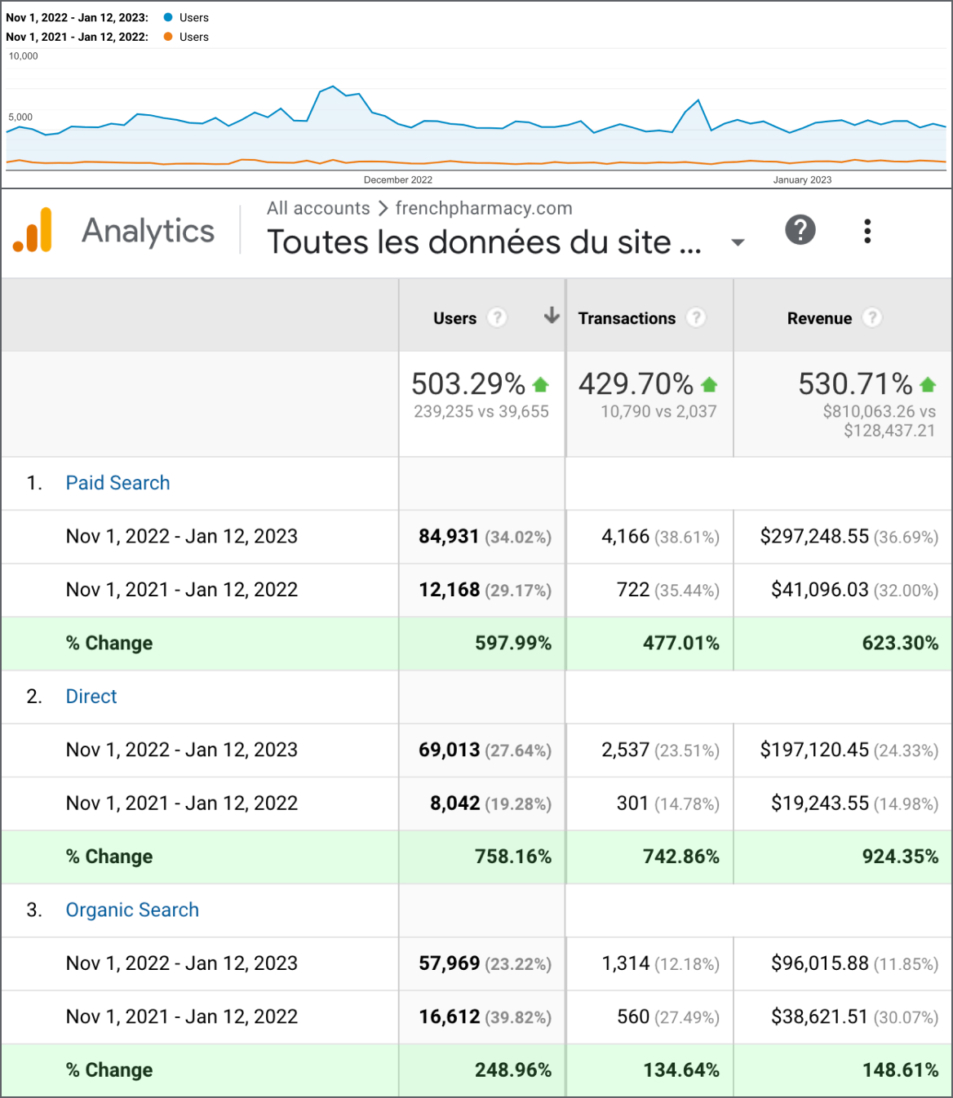
Without Web Analytics, you are flying blind. Google Analytics is the standard for tracking where your visitors come from, what they do on your site, and where they drop off. I set up goals and conversion tracking for every client so we can see which channels actually drive sales or sign-ups, not just page views.
Google Search Console is another essential tool. It tells you which queries are bringing users to your site, how often your pages appear in search results, and whether any technical issues are hurting your visibility. I check it at least once a week for any new sites I manage. A sudden drop in impressions often points to a penalty or a technical error that needs fixing fast.
PageSpeed Insights is a tool I run on every page before launch. Page load time is a direct ranking factor. More importantly, it affects user experience. If your site takes more than three seconds to load on mobile, half your visitors will leave before the page even finishes rendering. I have seen a one-second improvement in load time increase conversion rates by double digits for some clients.
Links and Authority
Backlinks remain one of the strongest signals of authority for search engines. When a reputable site links to yours, it is like a vote of confidence. But not all backlinks are equal. A single link from a well-regarded industry publication can do more for your rankings than dozens of low-quality directory links.

Link building is not about spamming forums or buying links. It is about creating content that other people want to reference. I have had the most success with original research, detailed how-to guides, and data-driven case studies. For example, one client published a yearly report on local industry trends. It got picked up by several news sites, and the resulting backlinks boosted their organic traffic by over 40 percent within six months.
Tools like Ahrefs and Moz help you audit your existing backlink profile and identify opportunities. I use them to see which competitors are getting links from sites that might also link to us, then reach out with a personalized pitch.
Content That Earns Its Place
Content marketing and SEO are two sides of the same coin. You cannot have one without the other and expect lasting results. The best content answers a real question, provides a clear benefit, and keeps the reader engaged. It does not need to be a 5000-word epic every time. A well-structured 1000-word post that directly solves a problem can outperform a longer, fluffier piece.
Yoast SEO is a plugin that many content management systems use to guide writers through basic on-page optimization. It checks things like keyword density, readability, and meta description length. I recommend it to clients who are new to SEO because it provides a clear checklist without overwhelming them. But I also caution that no plugin can replace the judgment of a human writer. If a sentence reads awkwardly because of keyword placement, rewrite it.
User experience is a ranking factor that Google has become much better at evaluating. A site that is hard to navigate, full of intrusive ads, or confusing on mobile will struggle to rank no matter how good the content is. I always test a site on a real phone before I start any SEO work. If the buttons are too small or the text requires constant zooming, those issues need to be addressed first.
Staying Current Without Chasing Every Update
Google Algorithm updates happen multiple times a year. Some are small, others shake up entire industries. The temptation is to react to every change with panic, but the best SEO professionals I know focus on fundamentals. A site that loads quickly, answers user questions, earns natural backlinks, and provides a good user experience will survive most algorithm shifts.
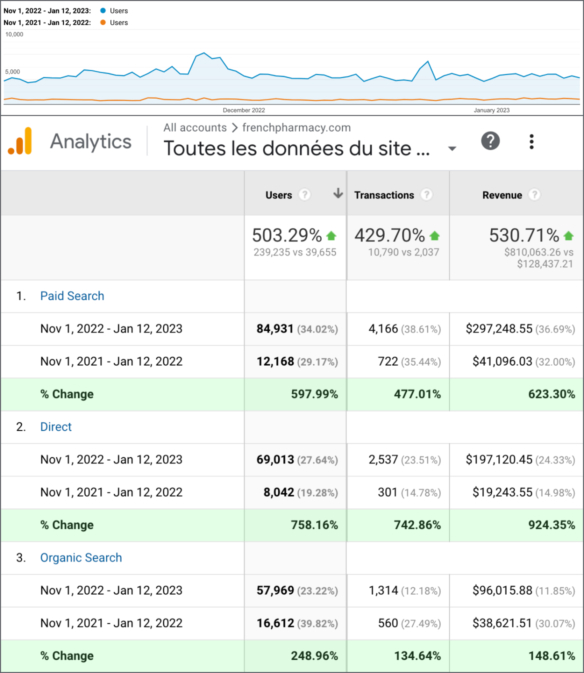
That said, it pays to stay informed. Following reputable SEO blogs and monitoring your own analytics will help you spot trends before they become problems. I have seen sites lose traffic overnight because they were relying on a tactic that Google just devalued. The ones that recovered were the ones that had built a diverse traffic base across multiple channels.
Final Thoughts
SEO is not a one-time setup. It is an ongoing process of refinement. The businesses that treat it as a core part of their marketing, rather than an afterthought, are the ones that see steady growth in website traffic and conversions. Start with solid keyword research, build a site that works well for humans, measure everything, and keep learning. The tools and algorithms will change, but the principle of helping people find what they need will not.
Corrections
Spot something wrong? Send it to the desk and it gets fixed in the open.